
Pterygium
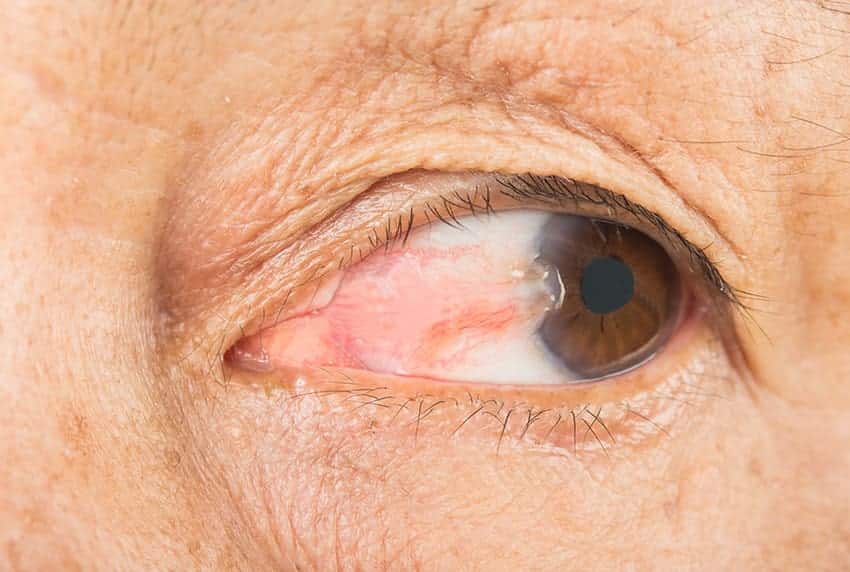
Pterygia occur when the conjunctiva, a layer that covers the white of the eye, develops an additional pink triangle of tissue. This damage can be associated to excessive or years of exposure to ultraviolet light. Sometimes they can develop due to an abnormal healing response. If untreated, more advanced cases, of pterygium can grow over the cornea itself, potentially affecting vision by distorting the corneal surface or obstructing the line of sight.
FAQ
What causes pterygiums?
Pterygiums are primarily chronic damage of the conjunctiva, the clear layer covering the white part of the eye (sclera). Other factors that can contribute to the development of pterygium include:
- Environmental irritants: Wind, dust, sand and smoke.
- Chronic dry eyes: People with dry eye syndrome may be more prone to developing pterygiums due to inadequate tear film protection.
- Genetic factors: Some individuals may have a genetic predisposition, making them more likely to develop pterygiums.
What are the symptoms of a pterygium?
Initially, there may be no symptoms. However, as a pterygium becomes more developed, it disturbs the smooth surface of the eye and causes grittiness and irritation. Pterygia can become sore and red when inflamed.
If a pterygium grows onto the cornea, vision can be disturbed if it causes scarring or alters the shape. In extreme cases, a pterygium can grow directly into the line of sight.
How and when do you treat a pterygium?
Early irritation can be treated with artificial tears to lubricate the eye or anti-inflammatory drops, if needed.
Surgery to remove the pterygium is recommended if the discomfort affects quality of life, the appearance of the growth becomes a cosmetic concern, or if it begins to interfere with vision.
What does pterygium surgery involve?
The procedure is performed using topical anaesthetic drops and takes around 30 minutes to perform. After removal of the pterygium, a small amount of tissue is taken from the conjunctiva under the eyelid to repair the treated area and aid quicker healing. This graft not only helps protect the healing surface but also reduces the likelihood of the pterygium returning. The surgery is typically an outpatient procedure.
What is the recovery after pterygium surgery?
The eye may be uncomfortable for a few days and can appear reddened while healing. You may also experience mild irritation, a gritty sensation, and some tearing as the eye recovers. It’s important to follow post-treatment care instructions to ensure proper healing and minimise the risk of infection. Some general tips include:
Attend follow-up appointments with your doctor
- Use prescribed medication
- Avoid rubbing your eyes
- Wear sunglasses
- Limit screen time
Contact Vision Care Clinic
If you’re experiencing discomfort or have concerns about your eye health, do not hesitate to get in touch with us at Vision Care Clinic, Bristol’s leading private eye clinic. Our team of dedicated professionals is here to provide personalised care and answer any questions you may have about your treatment options. Call us on 0117 905 7722 or email us at contact@visioncareclinic.com.